Fine Line Tattoo
Delicate precision — ink so thin it looks drawn on skin
What is Fine Line tattooing?
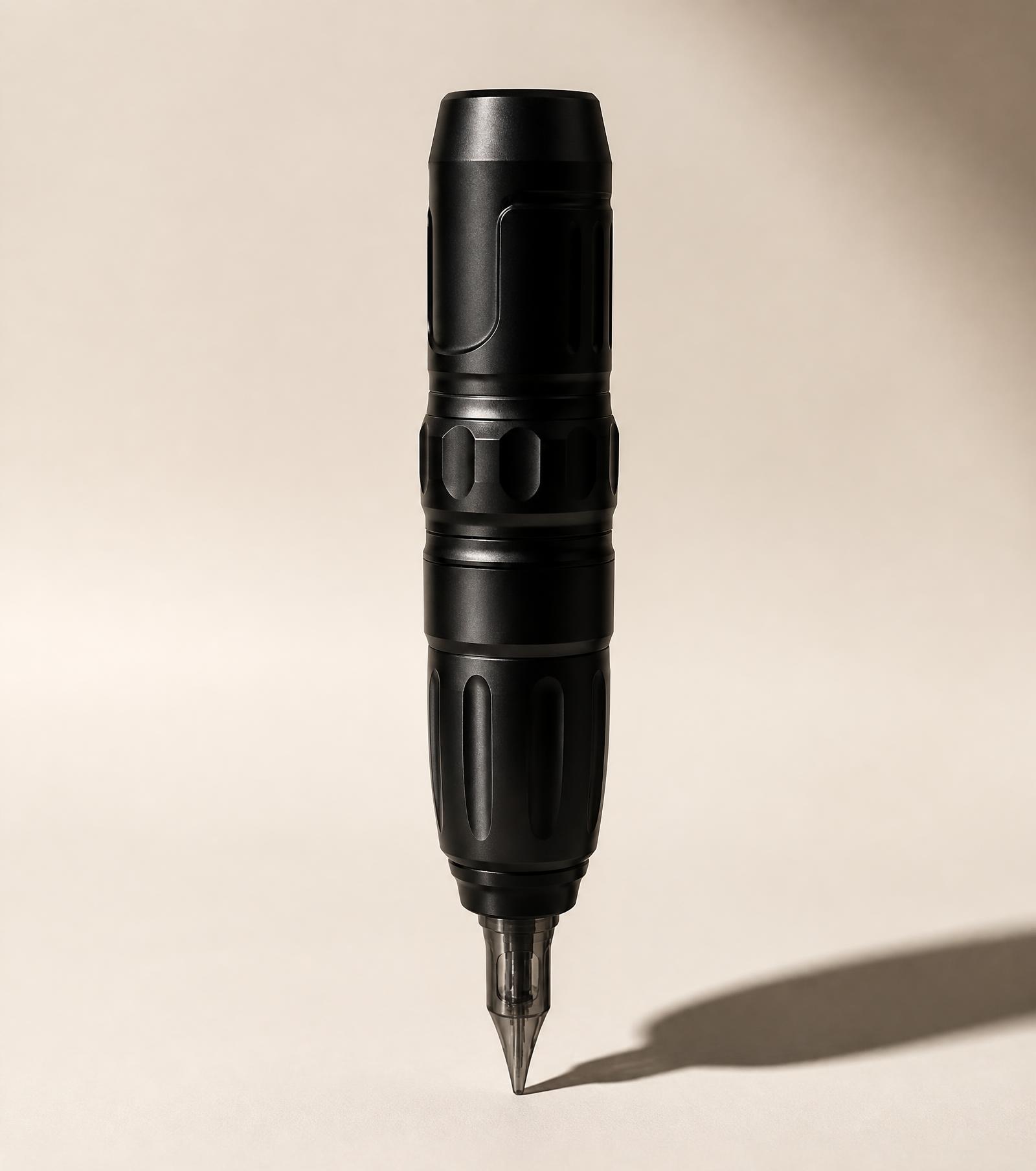
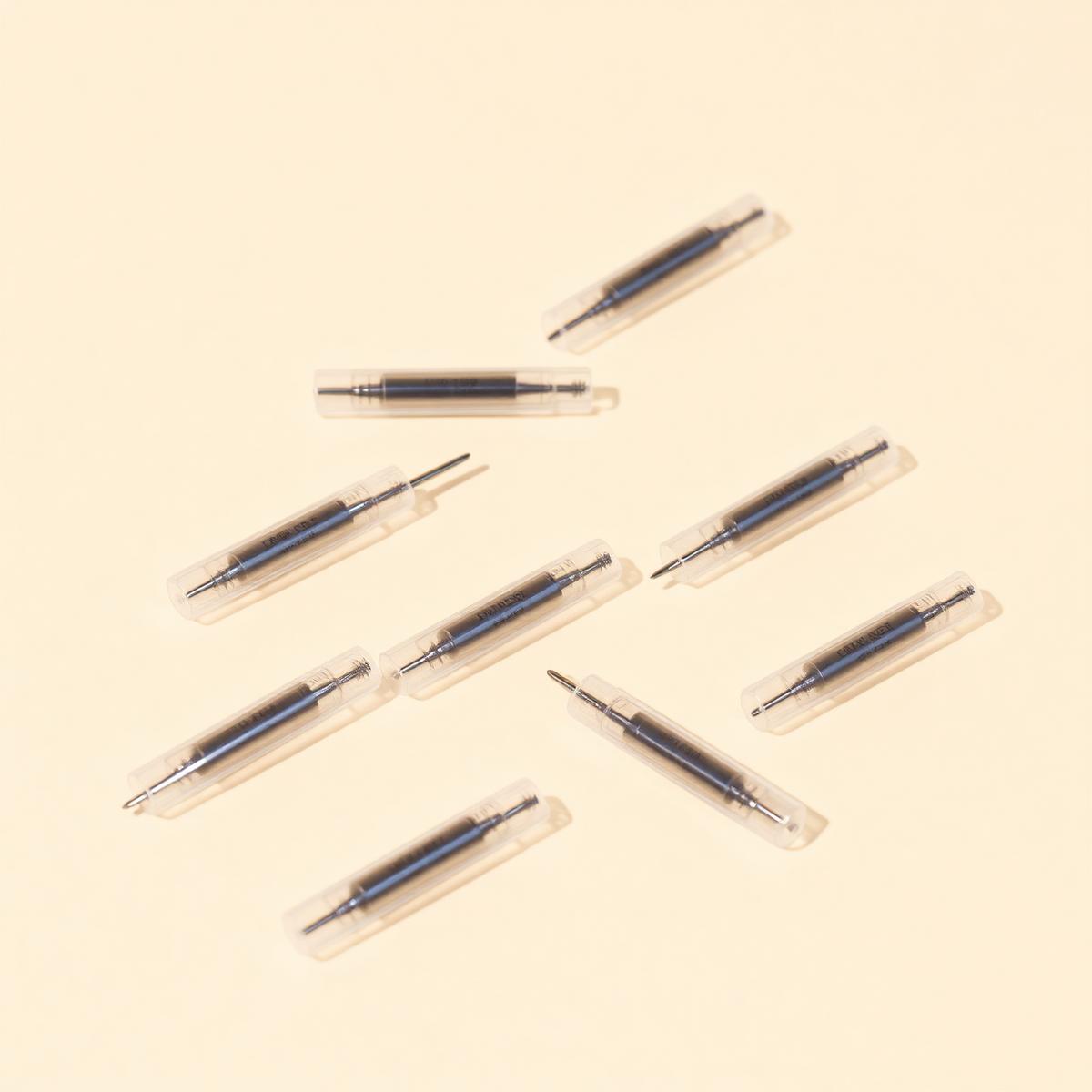
Fine line tattooing uses ultra-thin needles — typically a single needle (1RL) or a tight three-needle grouping (3RL) — to create precise, delicate work with minimal line weight. The results are intricate, almost illustrative: thin botanical drawings, portrait work, lettering, and geometric compositions that look like they were made with a technical pen.
History & Origins
Fine line emerged from Los Angeles in the early 2010s, pioneered by artists who drew influence from engraving and illustration. Artists like Dr Woo and Jonboy brought the style mainstream through celebrity clients. By 2018 it had spread to Europe and Asia, and today it is one of the most widely requested styles globally.
Technique
Artists use single-needle or 3-round-liner configurations at low voltage, working slowly and deliberately. The style demands extremely consistent hand speed and pressure — any wobble is visible at this scale. Shading is built with ultra-fine dot clusters rather than traditional sweeping strokes. Sessions are usually shorter than for bolder work, as skin trauma accumulates quickly with fine needles.
Who it suits
Fine line works best for clients who want something subtle and intimate — delicate botanicals, small portraits, minimal geometric shapes, or intricate line compositions. It sits beautifully on wrists, behind the ear, on the collarbone, or along the forearm. It's less suitable for large-scale work on very dark skin tones, where the contrast between thin lines and skin may be reduced.
How it ages
Fine line ages differently from bold styles. Thin lines can soften and spread slightly over 5-10 years, particularly in areas with frequent movement or sun exposure. Diligent sun protection is essential. Many clients return for a 'refresh' session after 7-10 years. Choosing an experienced fine line specialist — not just any artist who attempts the style — significantly improves longevity.
Pricing
Fine line commands a premium. Expect €100-250/hour in Western Europe, or AUD $180-350 in Australia. The precision involved means sessions are often longer than they look — a small intricate piece can take 2-3 hours. Minimums at quality studios are typically €100-150.
Frequently Asked Questions
Does fine line tattoo hurt more?
Fine line uses smaller, finer needles which can feel sharper initially, but sessions are usually shorter. Pain level depends more on placement than needle size. Bony areas like ribs, wrist, and ankle hurt more regardless of style.
How long does fine line last?
Fine line tattoos last a lifetime but may soften over time. Thin lines can spread slightly after 5-10 years. Sun protection and choosing an experienced specialist are the most important factors for longevity.
What's the difference between fine line and single needle?
Single needle uses just one needle, producing the finest possible lines. Fine line is a broader term that includes 1RL and 3RL needle configurations. Both styles prioritise delicacy over bold impact.
Can fine line be done on darker skin?
Yes, but with some limitations. Very thin lines show less contrast on darker skin tones. An experienced artist will adapt the design — slightly bolder lines, higher contrast compositions — to suit your skin tone. Always consult first.
Related styles
Find a Fine Line specialist
Browse verified studios that specialise in fine line work.
Browse Fine Line studiosFine Line in top cities
Estimate your cost
Use our free price calculator to get a realistic budget for your fine line tattoo.
Fine Line inspiration
Browse real fine line photos for design inspiration.
Top Fine Line Studios Worldwide
See allink.inc Tattoo Seminyak
Bali
Sideshow Tattoo and Piercing
San Diego
Seoul Ink Tattoo Studio
Seoul
Ink Avenue Tattoo studio - Seoul
Seoul
Inksuit Tattoo Budapest
Budapest
Noa Ink Firenze
Florence
Aria Tattoo Lab
Rome
Sailor's Grave Tattoo Gallery
San Diego
Yugto Tattoo Studio
Singapore